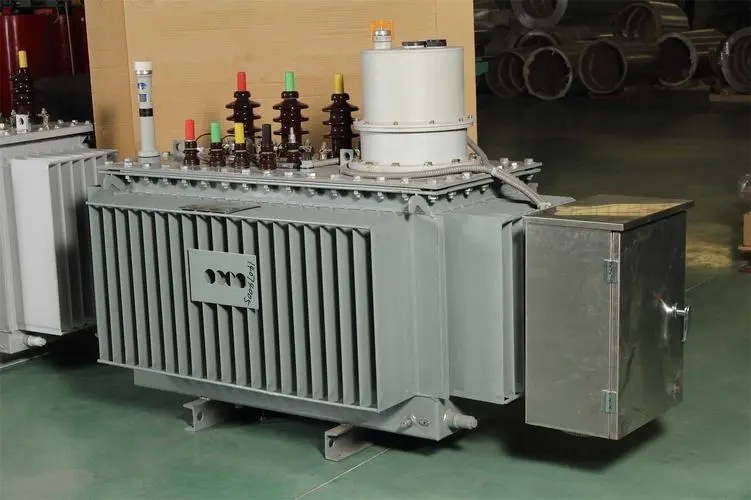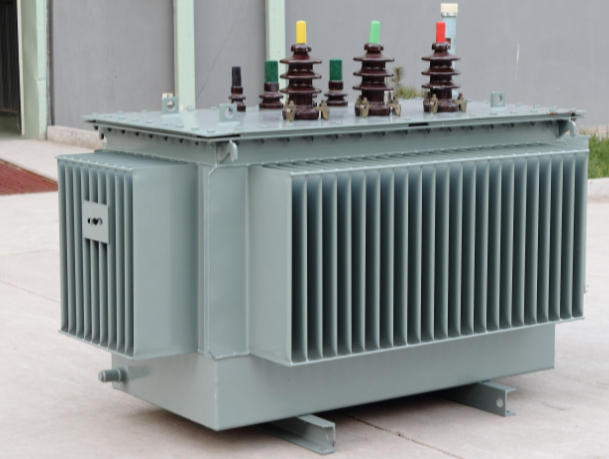

The global industrial machinery export market has seen a remarkable transformation in recent years. Driven by technological advancements, economic growth, and the increasing demand for high-quality machinery, manufacturers are expanding their reach beyond domestic borders. This article delves into the trends shaping the industrial machinery export landscape and how suppliers can capitalize on these opportunities.
One of the most significant trends in the industrial machinery sector is the growing emphasis on automation and smart technologies. As industries strive for efficiency and productivity, machinery equipped with advanced features such as artificial intelligence and machine learning are becoming essential. Suppliers must adapt to these trends to remain competitive in the global market.
Additionally, sustainability is at the forefront of the industry. With increasing awareness of environmental concerns, many manufacturers are focusing on creating energy-efficient and eco-friendly machinery. This shift not only meets regulatory requirements but also appeals to environmentally-conscious consumers, making it a vital consideration for B2B suppliers.
B2B trade in industrial machinery offers numerous advantages for suppliers and manufacturers alike. Firstly, engaging in wholesale transactions allows businesses to leverage bulk purchasing, leading to reduced costs and improved profit margins. Secondly, participating in international trade opens doors to new markets, providing access to a wider customer base and increased sales opportunities.
Moreover, establishing strong relationships with global partners can lead to enhanced collaborations, sharing of resources, and innovation. Suppliers can benefit from diverse insights and experiences, which can further drive product development and market understanding.
To thrive in the competitive landscape of industrial machinery exports, suppliers must adopt strategic approaches. Here are some key strategies to consider:
Embracing technology is vital for streamlining export processes. Tools such as supply chain management software, Customer Relationship Management (CRM) systems, and data analytics can optimize operations and decision-making. By utilizing technology, manufacturers can enhance efficiency, reduce lead times, and improve customer satisfaction.
The industrial machinery export market presents vast opportunities for B2B suppliers and manufacturers willing to adapt to changing dynamics. By understanding current trends, implementing effective strategies, and leveraging technology, businesses can position themselves for success in the global arena. The future of industrial machinery exports is bright, and those who embrace innovation will undoubtedly lead the way.
Contact us
Stay updated with our latest product releases and news articles. XX Industrial Equipment Co., Ltd. is an emerging enterprise specializing in environmental protection... How can we help you?
Click below — we are happy to help. Contact us