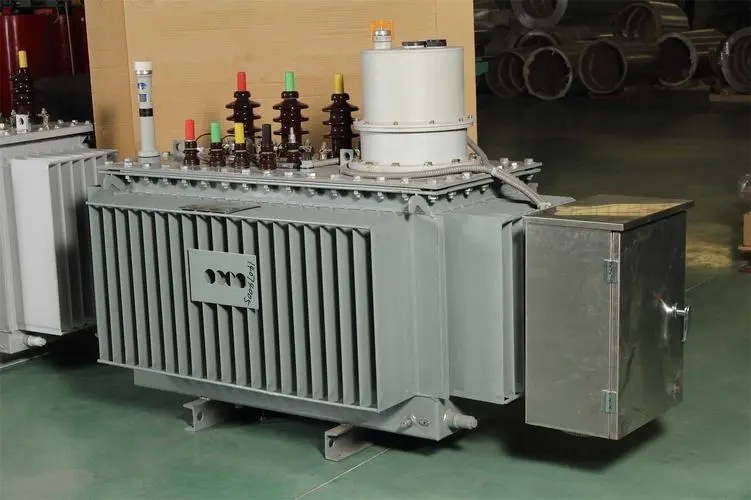

Exporting industrial machinery requires adherence to various regulations and meticulous documentation. Understanding and implementing best practices can streamline the process and mitigate risks.
Before exporting machinery, familiarize yourself with the export regulations of both your home country and the destination country. Compliance is essential for avoiding penalties and ensuring smooth transactions.
Accurate documentation is key to successful exports. Key documents include commercial invoices, packing lists, export licenses, and certificates of origin. Ensure that all documents are correctly filled out to prevent delays.
Leverage export documentation software to enhance efficiency and reduce errors. These tools can automate processes and help ensure compliance with various regulations.
Forming a dedicated compliance team can enhance your export operations. This team should be responsible for staying updated on regulations, managing documentation, and addressing compliance issues proactively.
Regular training for employees involved in export operations is essential. Providing up-to-date training on compliance requirements and documentation practices can minimize risks associated with exports.
Conducting regular audits of your export processes can identify gaps in compliance and documentation practices. Address any identified issues promptly to ensure continual improvement.
In summary, exporting industrial machinery requires attention to compliance and documentation practices. By understanding regulations, maintaining accurate documentation, utilizing software, forming compliance teams, providing training, and conducting audits, exporters can navigate the complexities of the export process successfully.
Contact us
Stay updated with our latest product releases and news articles. XX Industrial Equipment Co., Ltd. is an emerging enterprise specializing in environmental protection... How can we help you?
Click below — we are happy to help. Contact us