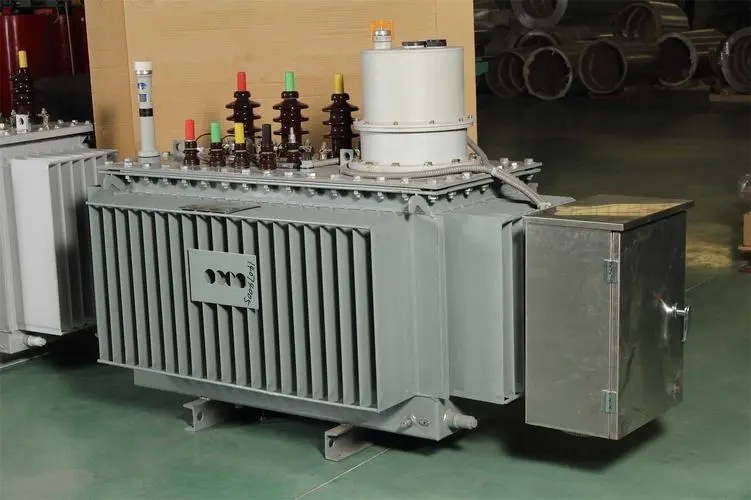

Regulatory compliance is a critical aspect of the machinery export process. Navigating the complex landscape of international trade regulations can be daunting for suppliers and manufacturers. This article serves as a comprehensive guide to understanding and overcoming regulatory challenges in machinery export.
Export regulations vary significantly from one country to another. It's essential for businesses to understand the legal framework governing machinery exports in both their home country and the destination country. Key areas include licensing requirements, tariffs, and trade agreements.
Compliance with export regulations is not just a legal obligation; it also impacts a company's reputation and competitiveness. Non-compliance can lead to fines, legal issues, and damaged relationships with partners.
Classifying machinery correctly is crucial for adhering to export regulations. Different machinery types may fall under various classifications, each with specific requirements and restrictions. Understanding these classifications can simplify the export process.
Businesses can utilize resources such as the Bureau of Industry and Security (BIS) and the Export Administration Regulations (EAR) for accurate classification. Investing time in proper classification can prevent costly errors.
Documentation is a vital aspect of the machinery export process. Accurate and complete documentation is essential for compliance and can facilitate smoother customs clearance. Key documents include export licenses, commercial invoices, and packing lists.
Ensuring document accuracy and completeness is crucial. Businesses should establish a checklist for required documents and maintain meticulous records to support their export transactions.
Export regulations are subject to change, making it essential for businesses to stay informed about any updates that may affect their operations. Regularly consulting government resources and trade organizations can help companies remain compliant.
Investing in compliance software can streamline the process of tracking regulations and ensuring adherence. These tools can automate updates and provide alerts for any changes in regulatory requirements relevant to machinery exports.
Successfully navigating regulatory challenges in machinery export requires a thorough understanding of export regulations, correct classification, accurate documentation, and proactive monitoring of changes. By implementing best practices, suppliers and manufacturers can ensure compliance and facilitate successful international trade.
Contact us
Stay updated with our latest product releases and news articles. XX Industrial Equipment Co., Ltd. is an emerging enterprise specializing in environmental protection... How can we help you?
Click below — we are happy to help. Contact us